Cabinet Refacing vs Replacement: Which Is Right for Your Kitchen?
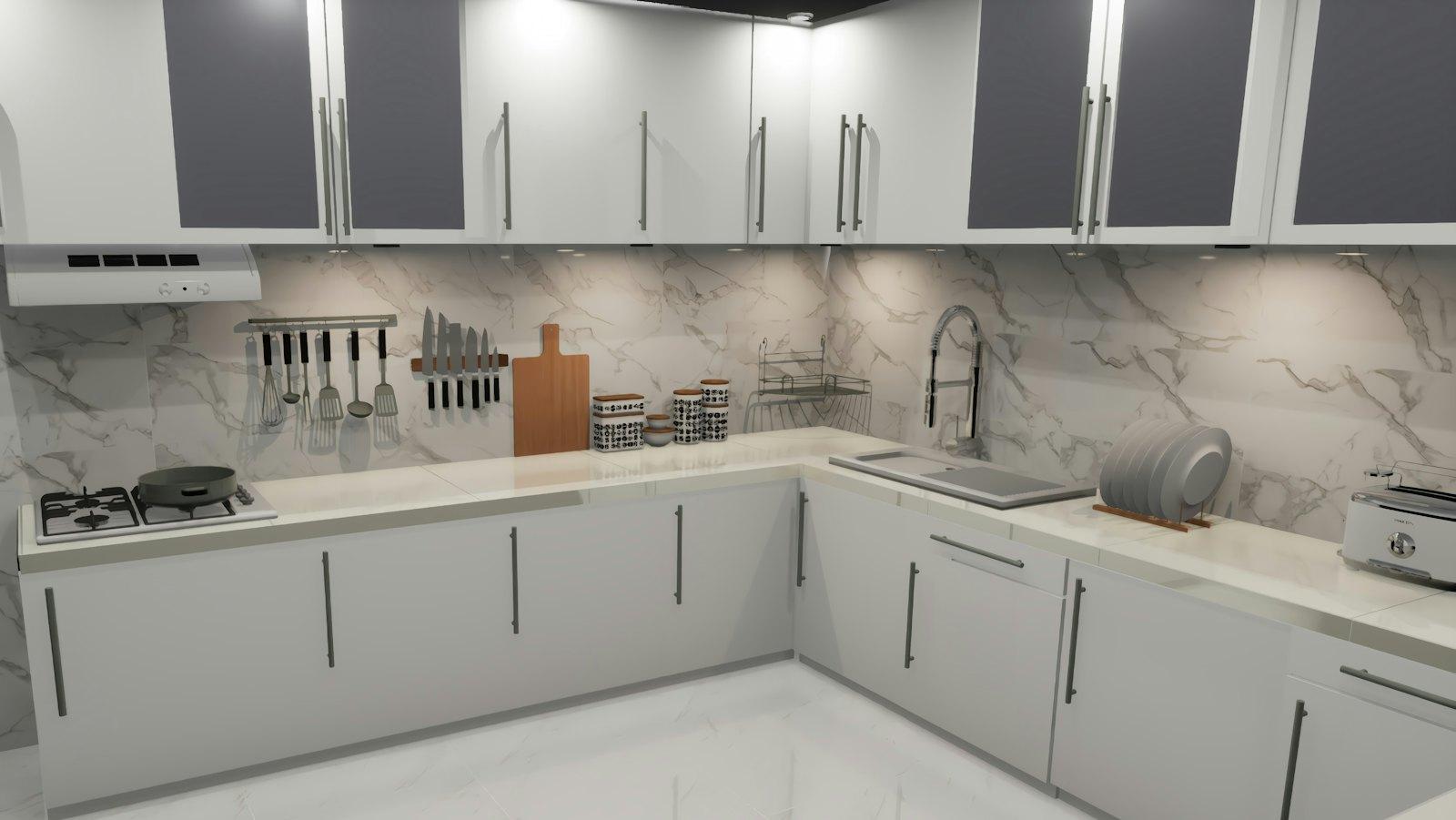
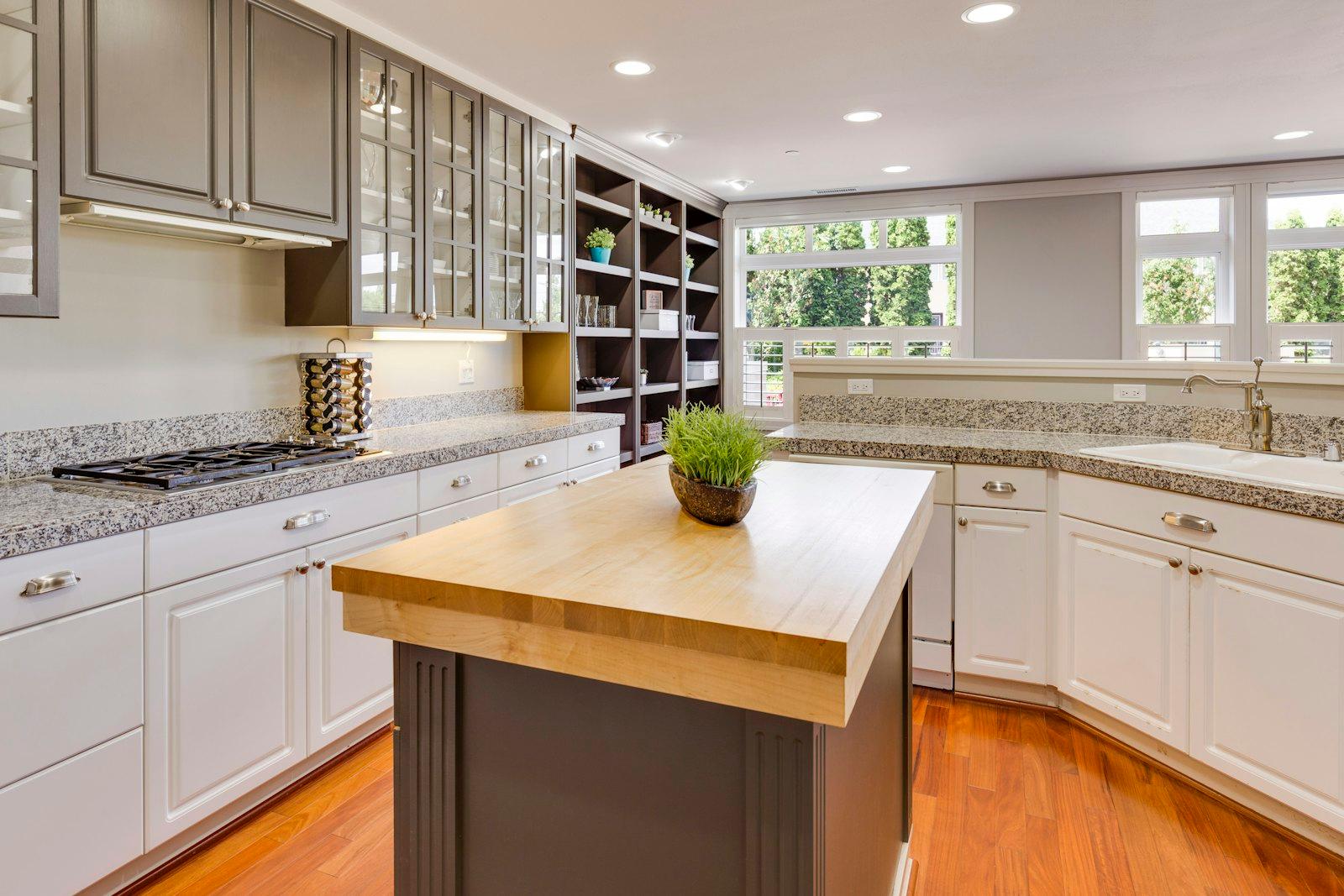
Cabinet refacing is usually the lighter, lower-cost option, while full replacement makes more sense when the boxes themselves are damaged or you want a different layout. The right choice depends on the condition of your current cabinets and what you want to change. Homeowners across South Atlanta, McDonough, and metro Atlanta ask about this before starting a kitchen update.
This guide walks through what each option actually involves, so you can talk through the right fit during a free estimate.
What Cabinet Refacing Actually Means
Refacing keeps your existing cabinet boxes in place and changes what you see. That usually means new doors, new drawer fronts, and a new finish on any exposed sides, plus new hardware to finish the look.
Refacing works best when the boxes are square, sturdy, and in the right spot for how you use the kitchen. If the structure underneath is solid, there is often no reason to tear it out.
What Cabinet Painting Adds to the Mix
Painting is a close cousin to refacing. Instead of new doors, your existing doors and boxes get cleaned, prepped, and painted in a new color. It is a good option if your cabinet doors are a style you still like, just in a dated or worn finish.
Interior painting that includes cabinets can change the whole feel of a kitchen without touching the layout at all.
What Full Replacement Involves
Replacement means new cabinet boxes from the ground up, not just new fronts. This is the right call when the boxes are damaged, warped, or when you want a different layout, like adding a pantry cabinet or changing where the sink base sits.
Replacement is a bigger project than refacing. It touches more of the kitchen, including the wall and floor behind the old cabinets, and it usually takes more time to complete.
Signs You Can Likely Get By With Refacing
A few signs point toward refacing as the better fit. If your cabinet boxes are not sagging, water damaged, or falling apart, and you are happy with where everything is located, refacing usually makes sense.
You should also lean toward refacing if your main complaint is how the kitchen looks rather than how it functions. A fresh door style and new hardware can completely change the feel of a room that otherwise works fine.
Mid-article: not sure which option fits your kitchen? Call [GHL PHONE] or request a free quote and we will take a look at your cabinets before you decide.
Signs You Probably Need Replacement
Replacement is the better call when cabinet boxes are water damaged, have soft or crumbling particleboard, or do not close and align the way they should anymore. It is also the right choice if you want to add storage, change the layout, or move where appliances sit.
If your kitchen needs a different flow, not just a new look, replacement gives you that flexibility in a way refacing cannot.
Cost and Timeline Differences
Refacing generally costs less and takes less time than full replacement, since the boxes stay in place and less demolition is involved. Replacement costs more because it involves new materials for the entire cabinet, not just the visible surfaces, along with more labor to remove the old boxes and install the new ones.
We do not publish set price ranges here, since the right number depends on your kitchen's size, the materials you choose, and the scope of the work. A free estimate gives you a written quote based on your actual kitchen.
A Hybrid Approach Can Work Too
Some kitchens do not need an all-or-nothing choice. You might replace a few damaged cabinets while refacing the rest, or reface the uppers while replacing the lower cabinets around the sink if that area has taken on water damage over the years.
This kind of mixed approach can stretch your budget further while still solving the specific problems in your kitchen. Talk through your options with our kitchen remodeling team to see what combination fits.
Whether your kitchen needs a simple refacing or a full cabinet replacement, the next step is the same. Call [GHL PHONE] or request a free quote and we will help you figure out which path makes sense.
Frequently asked questions
Is cabinet refacing cheaper than replacement?
Refacing is generally less expensive than full replacement, since it reuses the existing cabinet boxes instead of building new ones. The exact cost depends on your kitchen size and the materials you choose, which we can go over during a free estimate.
How do I know if my cabinet boxes are still in good shape?
Check for sagging shelves, soft spots in the wood, doors that no longer close evenly, and any water staining near the sink or dishwasher. If the boxes feel solid and square, refacing is usually a good option.
Can I change my kitchen layout with refacing alone?
No. Refacing keeps the boxes where they are, so it will not change your layout. If you want to move cabinets, add a pantry, or change where appliances sit, you need full replacement.
Does cabinet refacing look as good as new cabinets?
Refacing with quality doors and fresh hardware can look very close to new cabinets, especially if the boxes underneath are in good condition. The visible surfaces are what you see every day, and those get fully updated.
What happens to my countertops during a cabinet project?
Countertops can often stay in place during refacing if they are in good shape. Full replacement sometimes requires removing and reinstalling or replacing the countertop, which we will plan for at your estimate. See our [countertop installation](/services/countertop-installation) options if yours need an update too.
How long does cabinet refacing take compared to replacement?
Refacing generally takes less time since there is less demolition and no need to build new boxes. Replacement takes longer because it involves more materials and more steps. We will give you a clearer timeline once we see your kitchen.
Can you paint my existing cabinet doors instead of replacing them?
Yes. If you like your current door style but want a different color, painting the existing doors and boxes is often a good middle option between refacing and replacement.