How Often Should You Repaint Your Home Exterior in Georgia?
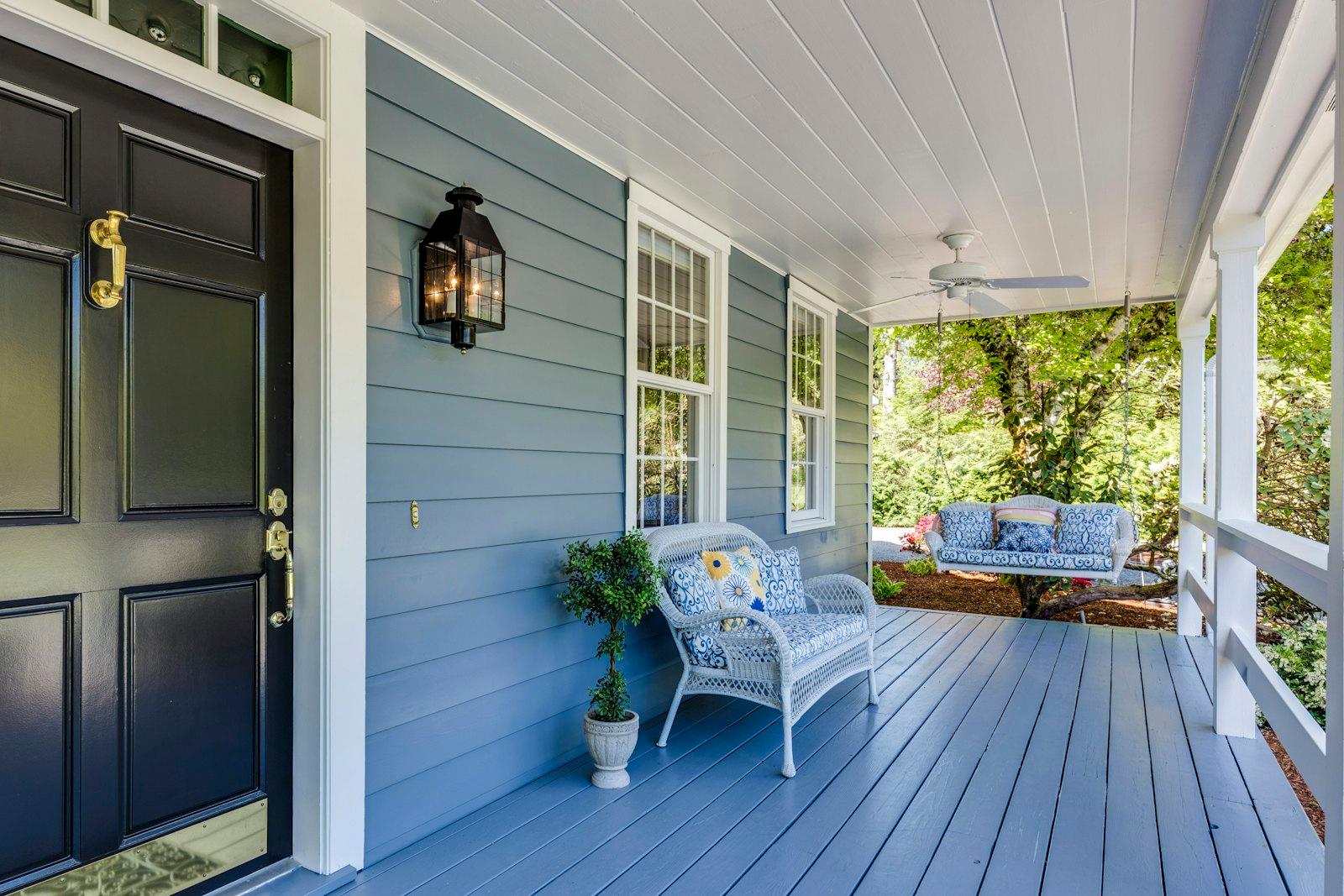
Most Georgia homes need a fresh exterior paint job roughly every 5 to 10 years, as general guidance only, not a Dinks promise or warranty . The real answer for your home depends on sun exposure, siding material and how the last paint job held up. Homeowners across South Atlanta, McDonough and metro Atlanta tend to ask this question after a hot, humid summer or a stretch of heavy storms.
This guide covers what wears down exterior paint in Georgia, the signs it is time for a new coat, and how siding material and sun exposure change the picture.
Why Georgia Weather Wears Down Exterior Paint
Georgia's combination of strong summer sun, high humidity and heavy rain puts more stress on exterior paint than a drier, milder climate. UV light breaks down paint's surface over time, while humidity and rain push moisture into any small gap in the coating.
Temperature swings between seasons also cause siding and trim to expand and contract, which can stress the paint film at the edges and seams. All of this adds up to paint that wears faster here than it might in a more moderate climate.
General Guidance on How Long Exterior Paint Lasts
As general guidance only, exterior paint in a hot, humid climate like Georgia's often lasts somewhere in the 5 to 10 year range before it needs a fresh coat, not as a promise or schedule from Dinks . Paint quality, prep work, and the surface underneath all affect how long a paint job actually lasts on a given home.
A well prepped surface with quality paint tends to outlast a quick coat applied over dirt, mildew or old peeling paint. That is one reason prep work matters as much as the paint itself.
Signs It Is Time to Repaint
Fading is usually the first sign, especially on walls that face south or west and get the most direct sun. Color that looks noticeably lighter or duller than it used to is a sign the paint's protective layer is breaking down.
Chalking, where a powdery residue rubs off on your hand when you touch the siding, means the paint surface is deteriorating. Cracking, peeling or bubbling paint are more advanced signs and usually mean water has already gotten underneath the surface.
Caulk gaps around trim, windows and doors are also worth checking. Dried out or cracked caulk lets water behind the siding, which can cause damage well before the paint itself looks bad.
Sun Exposure and Different Sides of the House
The side of your house that gets the most direct afternoon sun usually wears out first. South and west facing walls take more UV exposure than north facing walls, so it is common for one side of a house to need attention before the others.
It helps to walk around your whole house and compare how each side looks, rather than judging the paint job by the side you see most often from the street or your driveway.
Siding Material and Paint Life
Wood siding tends to show wear sooner than fiber cement or engineered siding products, since wood moves more with humidity and temperature changes. Stucco and masonry can hold paint well but may show different wear patterns, like cracking at the surface instead of peeling.
If your siding itself is damaged, cracked or rotting in places, that is a separate problem from the paint and is worth addressing through siding repair before a new paint job goes on.
Not sure if your home needs paint or a siding repair first? Call [GHL PHONE] or request a free quote and we can take a look together.
Pressure Washing Before You Paint
A clean surface holds paint far better than a dirty one. Dirt, mildew and chalky residue left on the siding can keep new paint from bonding properly, which shortens how long the new paint job lasts.
Pressure washing before a paint job is a common first step, done carefully to avoid damaging wood siding or old mortar. Ask about this as part of your estimate if your siding looks dirty or has visible mildew.
Ready to get your home's exterior looked at? Call [GHL PHONE] to schedule a free exterior painting estimate for your home.
Frequently asked questions
How do I know if it is paint failing or just dirt on my siding?
Dirt and mildew usually wash off or lighten noticeably with a gentle cleaning, while true paint failure, like chalking, cracking or peeling, does not. If a wash does not restore the color and finish, the paint itself is likely due for attention.
Does the color of my house affect how often I need to repaint?
Darker colors tend to absorb more heat and UV, which can mean faster fading compared to lighter colors in the same amount of sun. The difference varies by paint quality and sun exposure, so it is one factor among several.
Should I repaint before or after a roof replacement or gutter work?
It generally makes sense to finish roof or gutter work first, since that work can create dust, debris or minor damage to nearby siding. Painting afterward avoids redoing work that gets disturbed later.
Can I just repaint the side of my house that looks the worst?
You can paint a single side, though color and sheen may not match perfectly if the rest of the house has aged differently. Many homeowners choose to repaint the whole exterior at once for a consistent look.
Does humidity cause mildew on painted siding even if the paint is in good shape?
Yes, shaded or damp areas of a house can develop mildew on paint that is otherwise in decent condition. Regular cleaning and good drainage around the house help reduce this between paint jobs.
What should I do if I see peeling paint on just one window or door?
Peeling in one small area can be a local moisture problem, like a caulk gap or a nearby leak, rather than a sign the whole exterior needs paint. It is worth having that specific spot checked so the cause gets addressed, not just the paint.
How do I get a quote for exterior painting in my area?
Call [GHL PHONE] or [request a free quote](/contact) and describe what you are seeing on your home's exterior. We can talk through next steps from there.