Best Flooring for Georgia Humidity: LVP vs Tile vs Hardwood
Luxury vinyl plank (LVP) handles Georgia's humidity better than almost any other flooring, tile comes in close behind in wet rooms, and solid hardwood needs the most care. Homeowners across South Atlanta, McDonough and the rest of metro Atlanta run into this question any time they plan a flooring project, especially in older homes without tight climate control in every room.
This guide walks through how each material responds to Georgia's weather, so you can match the right floor to the right room in your home.
Why Georgia's Humidity Matters for Flooring
Wood and wood based products expand when the air is damp and shrink when it dries out. Georgia swings between hot, humid summers and drier winters, so floors near crawl spaces, basements, or rooms with less airflow feel that shift the most.
Tile and vinyl do not absorb moisture the way wood does, so they tend to stay more stable through the year. Even so, the subfloor underneath and the home's overall moisture levels still matter no matter which material you choose.
Luxury Vinyl Plank in Humid Homes
LVP is one of the most humidity tolerant flooring options you can buy today. It is made mostly of plastic layers, so it does not swell, warp or cup the way solid wood can when moisture levels rise.
Many LVP products also resist surface water, which makes them a strong fit for kitchens, mudrooms, bathrooms and basements where moisture is harder to control. LVP also tolerates temperature swings well, so it holds up in sunrooms and rooms with less insulation.
The one thing worth checking is the subfloor underneath. A damp or uneven subfloor can still cause problems later, so have that looked at before a new floor goes down.
Tile in Humid Homes
Tile is one of the most moisture resistant flooring choices for a Georgia home. Ceramic and porcelain tile do not absorb water into the material itself, which makes tile a solid pick for bathrooms, laundry rooms and entryways.
The part of a tile floor most affected by humidity is the grout. Grout lines can hold moisture and show mildew if a room stays damp or does not get cleaned regularly, so choose a sealed grout and keep up with cleaning in your wetter rooms.
Tile feels cold underfoot and is a harder surface than LVP or wood. That matters more in a living room or bedroom than it does in a bathroom or kitchen.
Hardwood in Humid Homes
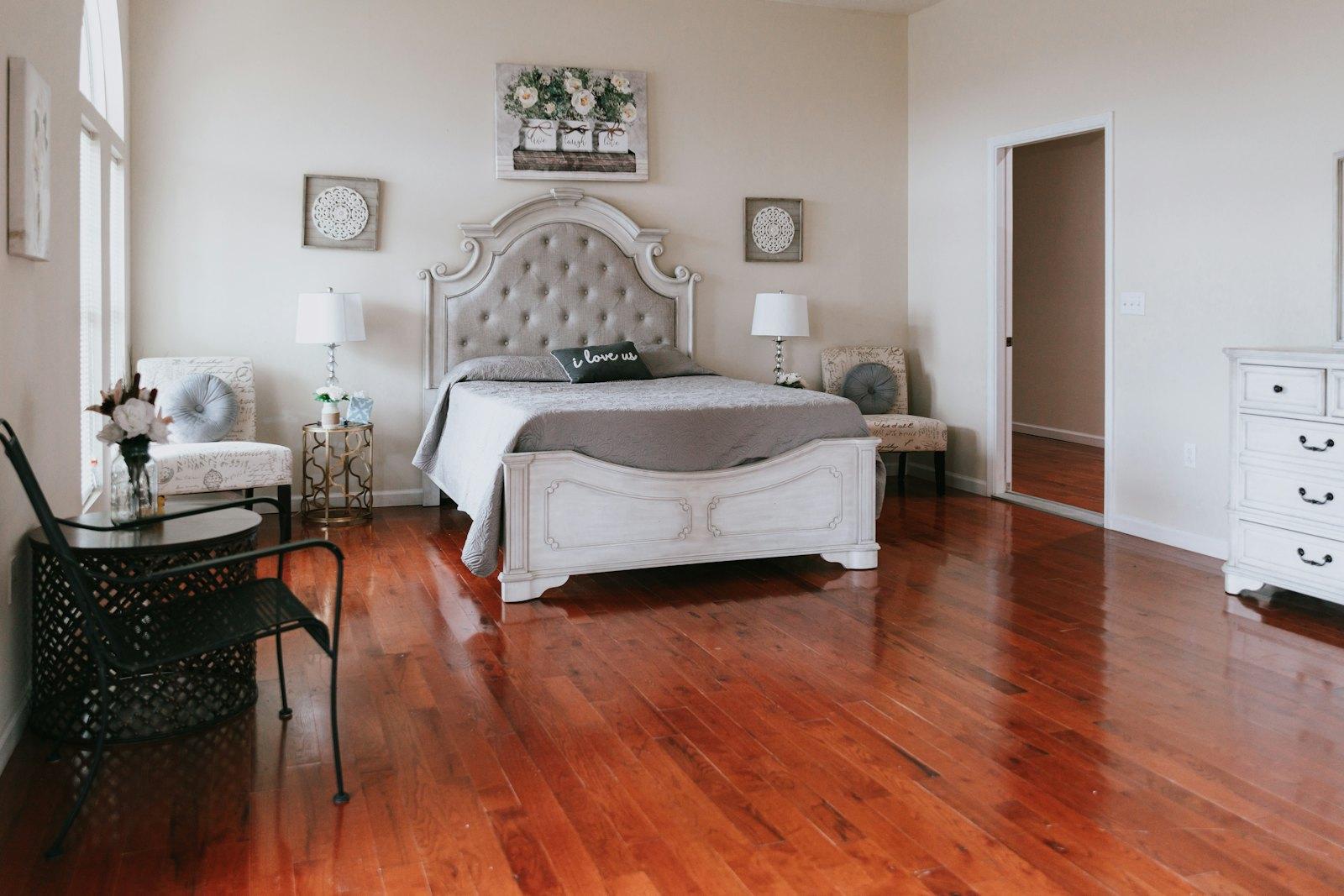
Solid hardwood is the most sensitive of the three to Georgia's humidity swings. Real wood planks expand and contract with the seasons, and in a home without steady indoor humidity control, that movement can lead to gaps in winter and cupping or buckling in summer.
Engineered hardwood, which has a real wood top layer over a more stable base, handles humidity changes better than solid hardwood. It is still more sensitive than LVP or tile, though.
If you love the look of real wood, it works best in living rooms, dining rooms and bedrooms with steady indoor temperatures, away from exterior doors, bathrooms and damp basements.
Which Rooms Need the Most Moisture Resistant Flooring
Kitchens, bathrooms, laundry rooms, mudrooms and basements see the most moisture in a typical Georgia home. LVP or tile usually makes more sense in these rooms than hardwood.
Living rooms, dining rooms, hallways and bedrooms with normal humidity levels give you more flexibility, including hardwood if that is the look you want.
If you are mixing materials across a floor plan, plan the transitions so the flooring changes line up at doorways or other natural breaks in the room.
Many homeowners weigh flooring choices alongside other updates, like new tile installation in a bathroom or kitchen. If you are deciding between materials for your own home, call [GHL PHONE] or request a free quote to talk through your rooms and your budget.
Getting the Installation Right
The material matters, but so does the installation. A floor that is not leveled, acclimated or installed with the right expansion gaps can run into problems no matter how good the material is.
Ask about subfloor prep, moisture barriers where they are needed, and how the new floor will be handled at doorways and stairs before work begins.
Ready to move forward? Call [GHL PHONE] to talk through flooring for your humidity prone rooms, or visit flooring installation to see what the work involves.
Frequently asked questions
Is LVP a good choice for a Georgia basement?
Yes, LVP is one of the better choices for a basement because it resists surface moisture and does not swell the way wood can. The basement still needs a reasonably dry, stable subfloor before the new flooring goes down. Ask about moisture conditions in your basement during your estimate.
Does tile crack in humid weather?
Humidity alone does not usually crack tile. Cracks are more often tied to movement in the subfloor, poor installation, or a heavy impact. Keeping grout sealed and clean helps the tile and the surrounding area hold up over time.
Can hardwood work in a Georgia sunroom?
Hardwood is a tougher fit for a sunroom because of the swings in temperature and humidity near windows and exterior doors. LVP or engineered hardwood usually handles that room better than solid hardwood.
How do I know if my subfloor has moisture problems?
Signs include a musty smell, soft or uneven spots underfoot, or flooring that has failed in the same area before. A visual check during your estimate can catch some of these signs, though some moisture issues are only found once old flooring is removed.
What flooring holds up best in a Georgia kitchen?
LVP and tile both perform well in kitchens because they resist spills and day to day moisture better than solid hardwood. Many homeowners choose LVP for comfort underfoot and tile for a more formal look.
Is engineered hardwood better than solid hardwood for humidity?
Engineered hardwood generally handles humidity swings better than solid hardwood because of how it is constructed. It is still more sensitive to moisture than LVP or tile, so it fits best in drier, climate controlled rooms.
Should I use different flooring in different rooms?
Many homeowners do mix materials, choosing LVP or tile for wetter rooms and hardwood or LVP for living areas and bedrooms. Call [GHL PHONE] to talk through a room by room plan that fits your home and your budget.