Water Damage After a Storm: What to Fix First
After a storm, check for safety hazards first, then work through drying out the space before any repairs begin. Homeowners across South Atlanta, McDonough, and metro Atlanta deal with storm water damage most often in spring and summer, but it can happen any time of year. Here is the order to work through it.
Check for Immediate Hazards
Before you walk into any flooded or wet area, look for downed power lines, exposed wiring, or standing water near outlets. If there is any doubt about electrical safety, stay out of the area and contact a qualified trade professional, like an electrician, before going further.
If part of your home looks structurally unstable, like a sagging ceiling or a wall that has shifted, stay out of that space entirely until it has been checked.
Shut Off Utilities if It Is Safe To Do So
If water is coming from a broken pipe or fixture, shut off your home's main water valve if you can reach it without standing in water or near exposed wiring. If you are unsure whether it is safe to do this yourself, wait for help rather than risk it.
Do not attempt to shut off electrical power if you would need to stand in water to reach the panel. Call an electrician or your utility company in that case.
Document the Damage
Once the area is safe, take photos and short videos of the damage before moving or cleaning anything. Note the date and a general description of what happened. This record is useful if you need to file an insurance claim, though you should talk to your insurance company directly about how to document a claim properly. This article is not legal or insurance advice, just general guidance on safety and repair order.
Get the Area Dry
Standing water and wet materials need to dry out before most repairs can start. Open windows if weather allows, run fans, and remove any wet rugs, furniture, or belongings from the affected area. The longer materials stay wet, the more likely they are to need full replacement instead of repair.
If water damage is significant or has been sitting for more than a day or two, mold can become a concern. Mold remediation is a specialized service.
Identify What Caused the Water
Before any finish repairs begin, the source of the water needs to be fixed. A leaking roof needs a roofer. A failed pipe needs a plumber. Until the source is resolved, repairing drywall or flooring underneath it is only a temporary fix.
What Can Be Repaired Once the Area Is Dry and Safe
Once the source is fixed and the area is dry, finish repairs can begin. This typically includes:
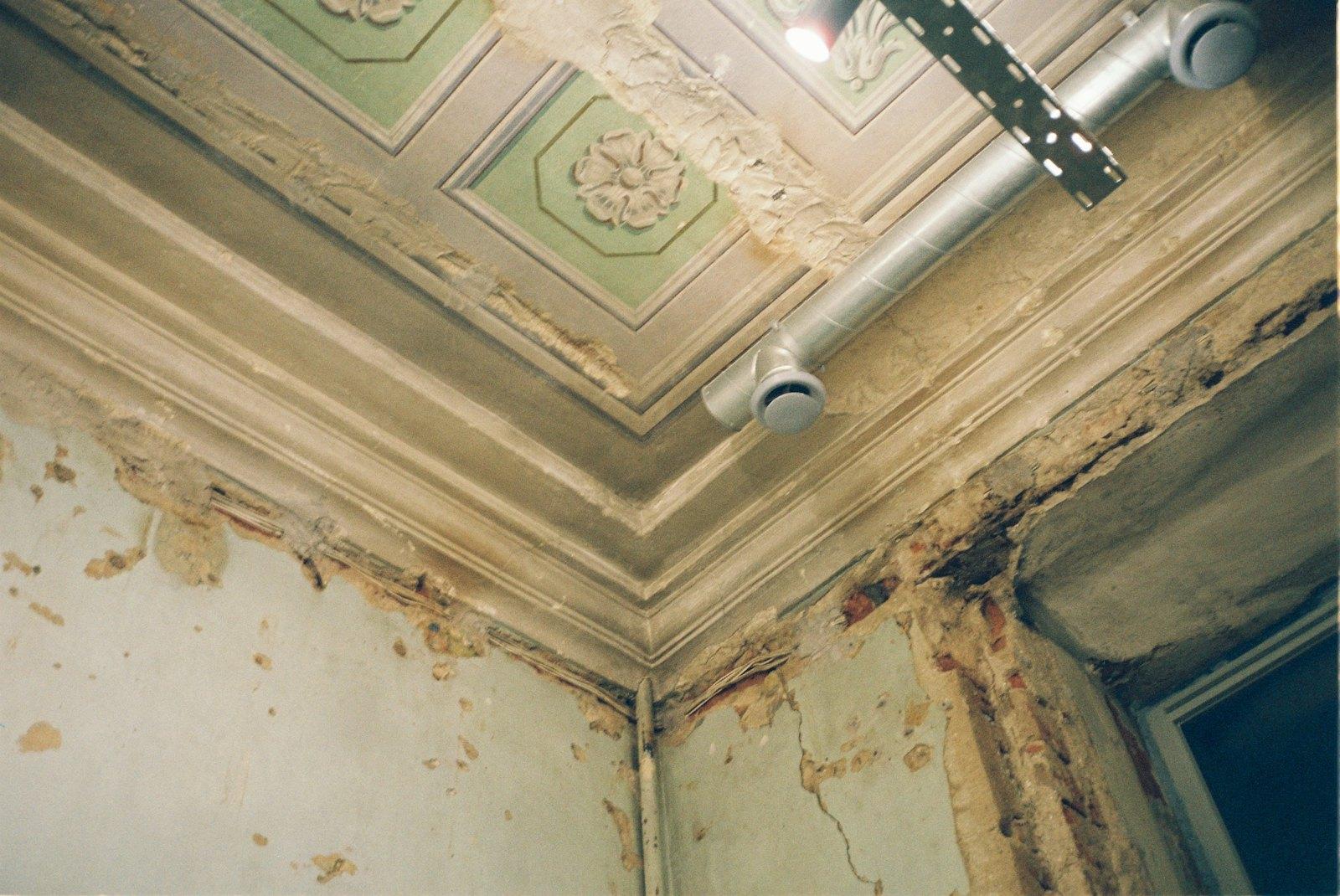
- Drywall repair for walls and ceilings damaged by water
- Flooring repairs in areas where water damage affected the floor
- Trim, baseboards, and paint touch-ups in the repaired area
Water damage repair covers this kind of finish work after the area has been dried out and the root cause addressed. A mid-project note: if you are dealing with storm damage right now, call [GHL PHONE] to talk through what you are seeing, or request a free quote for the repair work once things are stable.
What Dinks Does Not Handle
Dinks Services does not perform plumbing, electrical, HVAC, gas, or structural repairs, and does not perform roof repairs. These all need a qualified trade professional. Dinks also does not currently offer specialized mold remediation or industrial drying equipment services.
If your storm damage involves any of these, get that part addressed first. Dinks can help with the drywall, flooring, trim, and paint work that follows.
When To Call for Help
If you are dealing with an active emergency, like an electrical hazard or major flooding, see our guide on emergency home repair for first steps. Once the immediate danger has passed and you are ready to talk about repairs, call [GHL PHONE] or request a free quote.
Frequently asked questions
What should I check first after storm water damage?
Check for electrical hazards and structural instability before entering any wet area. Stay out of a space if you are unsure whether it is safe.
Should I try to dry out the area myself?
Opening windows, running fans, and removing wet items helps, as long as it is safe to be in the space. If water has been sitting for more than a day or two, the risk of mold increases and the area may need more attention.
Does Dinks Services repair roofs or plumbing after a storm?
No, roofing and plumbing both need a qualified trade professional. Dinks handles finish repairs like drywall, flooring, and paint once the source of the water has been fixed.
How do I document storm damage for insurance?
Take photos and videos of the damage before cleaning or moving anything, and note the date. Talk to your insurance company directly about their specific documentation requirements, since this article does not provide insurance or legal advice.
What if I see mold after a storm?
Mold concerns should be addressed by a specialist, since this requires different expertise than finish repair work.
Can wet drywall always be repaired instead of replaced?
It depends on how long the drywall stayed wet and how much damage occurred. Drywall that stayed wet for an extended period often needs replacement rather than repair.
When is it safe to start repairs after storm damage?
Repairs should start only after the area is dry and the source of the water, like a leaking roof or broken pipe, has been fixed by the right trade professional. Starting finish repairs before that point often means redoing the work later.